Start a Deep Conversation Over Text: Simple Prompts
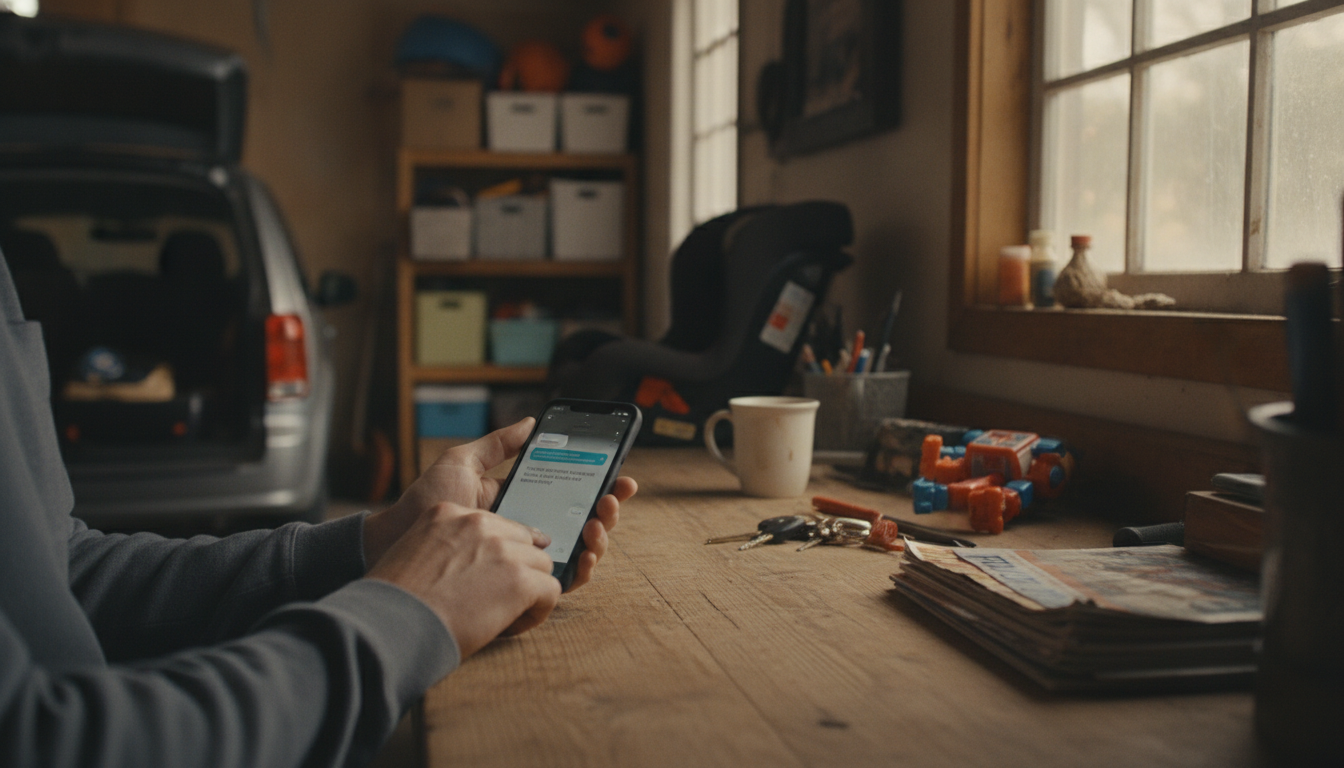
How to start a deep conversation over text
Deep conversations don’t need a perfect moment—they need a thoughtful opening and a little patience. Texting can actually make it easier to share honestly, because it gives both people time to choose words and reflect. The goal is to create a safe, curious tone that invites more than a one-word reply.
Answer
Start by setting a gentle frame, then ask a question that’s specific, personal, and open-ended. A simple lead-in like “Can I ask you something real?” or “I’ve been thinking about something and I’d love your take” signals that you’re shifting from small talk to something meaningful.
Use prompts that require reflection
Try questions that point to values, experiences, or emotions instead of facts. Examples: “What’s something you’ve changed your mind about in the past year?” “When do you feel most like yourself?” “What’s been heavier than it looks lately?” These invite stories, not summaries.
Offer a little vulnerability first
People tend to match depth. Share a short, honest sentence before the question: “I’ve been feeling stretched thin, and it made me realize how much I avoid asking for help. How do you handle it when you’re overwhelmed?” Keep it real but not overwhelming—one clear feeling, one clear question.
Make it easy to answer
Long paragraphs can feel like homework. Send one question at a time, and give permission for a lighter response: “No pressure to go deep if you’re not in the mood—just curious.” If they respond briefly, follow up with “What made you feel that way?” or “Tell me more about that part.”
Respect timing and boundaries
If they take time to reply, don’t chase with multiple messages. If they dodge the topic, pivot without guilt: “All good—want to keep it lighter?” Depth grows faster when someone feels free to opt out.
For more conversation starters and examples you can copy-paste, visit https://incredibledropshut.shop/how-to-start-a-deep-conversation-over-text/.
FAQ
What are good deep questions to ask someone you just started texting?
Choose low-pressure, values-based questions like “What’s something you’re looking forward to right now?” or “What’s a small habit that’s made your life better?” Keep it curious and avoid intensely personal topics until you’ve built comfort.









Leave a comment