Cat Play vs Aggression: Body Language and Warning Signs
How can I tell the difference between playful behavior and aggression in cats?
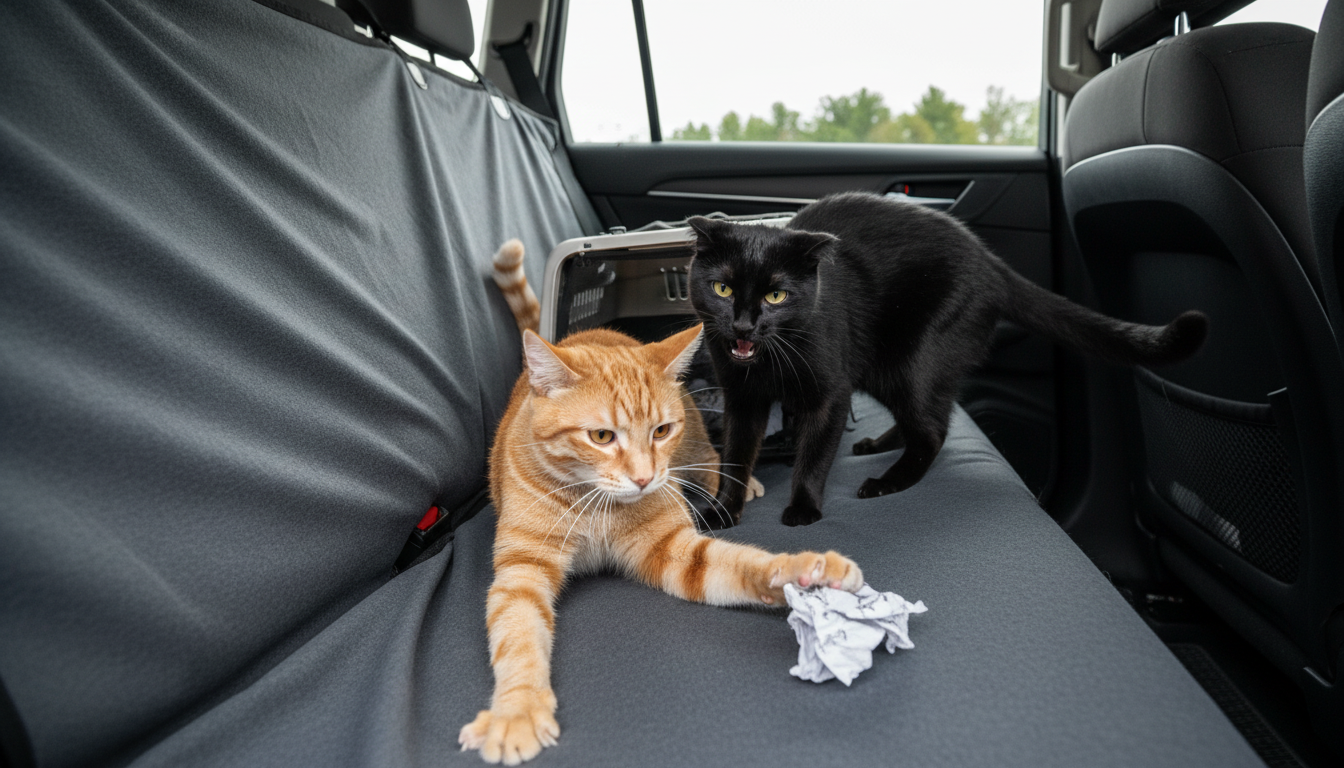
Play and aggression can look similar at first—chasing, pouncing, swatting—but the difference is usually in your cat’s body language, intensity, and ability to “take breaks.” Play tends to be looser and stop-and-go, while aggression looks tense, escalates quickly, and is harder to interrupt.
Look at the body posture and facial signals
A playful cat typically has a relaxed, bouncy stance. Ears are often forward or neutral, eyes are bright, and the body may wiggle before a pounce. During aggression, you’ll often see stiffness: a rigid body, narrowed eyes, ears pinned sideways or flat, and a hard stare. A puffed tail or raised hackles can show fear-based aggression, especially if your cat feels cornered.
Check the claws, bite pressure, and target
In play, many cats keep claws partly sheathed and bites are inhibited—more “mouthing” than puncturing. Playful swats are quick and light, and your cat may switch targets to toys. Aggression is different: claws come out, swats land with force, and bites are deeper or repeated. Aggressive behavior is also more likely to focus on sensitive areas (face, neck) or continue even when the other cat—or you—tries to disengage.
Watch the rhythm: pauses vs. escalation
Healthy play has pauses. Cats may stop, reset, groom briefly, or take turns chasing. Aggression usually escalates without those breaks, with one cat persistently pursuing and the other trying to flee or hide. If you hear prolonged growling, intense yowling, or a continuous low rumble, treat it as a warning sign rather than normal play noise.
Listen to the sounds
Quiet play or short chirps are common during fun interactions. Hissing, spitting, deep growls, and sharp, sustained vocalizations usually signal fear or hostility. A single squeak can happen in play if a bite was too hard, but repeated distress sounds mean it’s time to separate them.
What to do if you’re unsure
Err on the side of safety: distract with a wand toy, toss a soft object away from the cats, or use a barrier (like a pillow) to separate without using your hands. If scuffles are frequent, consider adding more vertical space, separate resources (litter boxes, food, water), and structured play to reduce tension. For a deeper walkthrough, visit the main guide here.
FAQ
Why does my cat bite during petting?
Some cats get overstimulated quickly, so a bite is their way of saying “that’s enough.” Watch for early signs like tail twitching, skin rippling, or ears turning back, and pause before your cat feels the need to escalate.











Leave a comment